
Two things separate a grail from an expensive card: a population small enough that copies almost never trade, and a cultural weight that pulls buyers from outside the hobby. The cards below have both. A few you can buy tomorrow with enough money. A few you will likely never see in person. All of them set the marks that every other Pokémon card is measured against.
Pikachu Illustrator, 1998
The most valuable Pokémon card in the world, and it is not close. Pikachu Illustrator went to winners of a 1998 CoroCoro illustration contest in Japan, never to packs, and fewer than 45 copies are known. A PSA 10 sold for more than five million dollars in 2022, and the same copy resold for over sixteen million in 2026, the highest price ever paid for any trading card. You will never pull one. It sits at the top of this list because every other card here is measured against it.
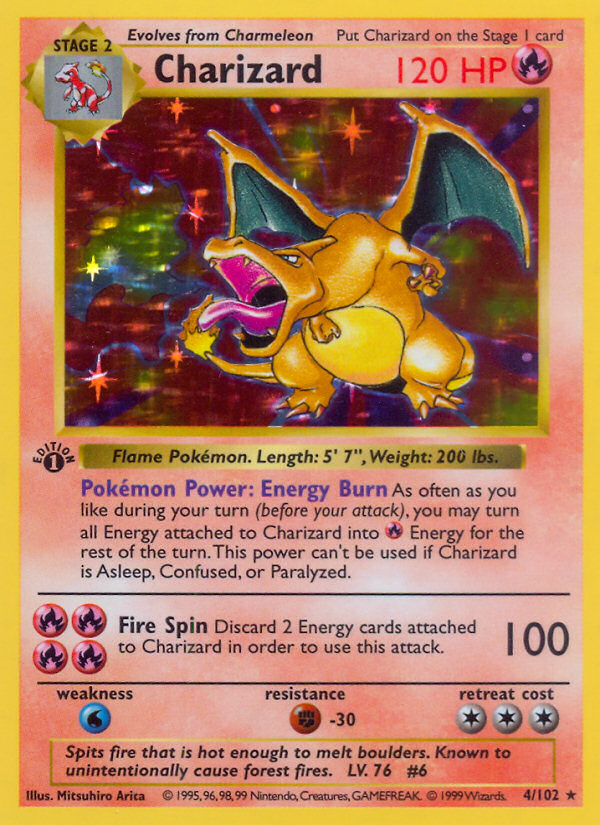
The grail you can actually chase. No card outside the trophy and contest cards carries more cultural weight, and the 1st Edition holo in PSA 10 has traded into the six figures. A PSA 10 population under 130 against thousands of PSA 9s gives it the widest grade-to-grade spread in the hobby. For most collectors, this is the most expensive card they will ever seriously consider owning.
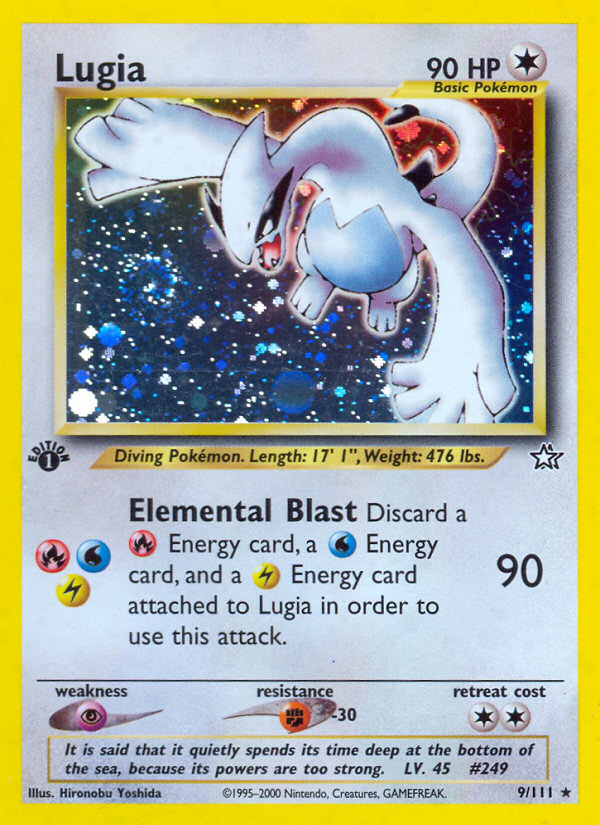
The card collectors graduate to once they stop talking about Charizard. Among people who read pop reports, Lugia is the Wizards-era card that quietly outvalues nearly everything per grade. Poor early cardstock and a brutal dark border crush the grade on most copies, leaving roughly 50 PSA 10s in existence for the 1st Edition print. Scarcity that real, paired with Lugia’s status, keeps it in six-figure territory.
The trophy cards
A handful of cards were never meant for the public. The No. 1, No. 2, and No. 3 Trainer cards, the Tropical Mega Battle promos, the various Pikachu trophy prints, all handed to a few dozen tournament finishers or fewer. Populations run from single digits to about fifty, so they surface only every few years, and when they do they clear five and six figures. They are the closest thing the hobby has to one-of-one art.
Gold Star Espeon and Umbreon, POP Series 5
The grail of the early Nintendo era. The Gold Star Espeon and Umbreon were distributed only through the POP Series 5 organized-play program in 2007, in tiny numbers, and they pair the most popular Eeveelution duo with one of the scarcest distributions of the 2000s. Top-grade copies trade from the high four figures into the five figures, and they are the cards that bridge the vintage grails and the modern chase market.
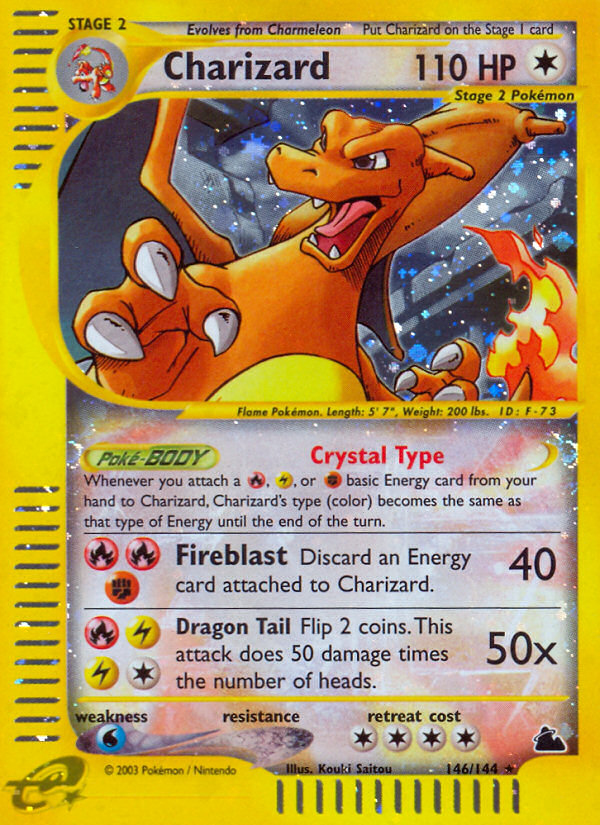
The last great Wizards Charizard, from the smallest English print run of the era. The Crystal treatment and a glossy surface that scratches if you look at it wrong make PSA 10s genuinely rare. It traded below its scarcity for years, and the slow correction has carried it into five figures in top grade. A grail that rewards collectors who were paying attention early.
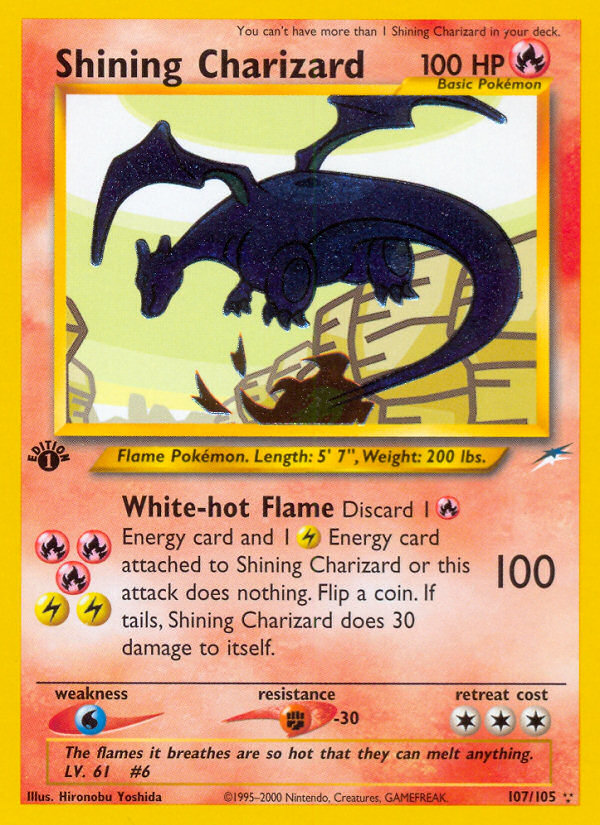
The first alternate-color Charizard ever printed, from a rarity tier that sat above standard holo and pulled at a fraction of the rate. The Shining Charizard is the most-chased card in Neo Destiny and one of the harder vintage tens to find clean. It is the vintage answer to the modern shiny Charizard cards, and the original of the type.
What makes a grail
Three ingredients, and a card usually needs all three. Population first: the supply has to be small enough that a sale is an event, not a daily occurrence. Cultural weight second: Charizard, Pikachu, Lugia, and the Eeveelutions pull buyers the way no role-player or trainer card can. Condition third: even a famous card needs a tiny top-grade population to reach grail pricing, which is why a common card in a true PSA 10 can outvalue a rarer card that grades easily.
Which of these you can actually own
Four of the seven trade often enough to buy with patience and budget: the Base Set Charizard, the Neo Genesis Lugia, the Skyridge Crystal Charizard, and the Shining Charizard. Each appears at auction regularly, and lower grades bring the price down into reach if a PSA 10 is out of range. The Pikachu Illustrator, the trophy cards, and the Gold Stars are collector trophies you chase for years or admire from a distance. Knowing which group a card belongs to is the first step in any grail hunt.
Common questions
- What is the most valuable Pokémon card of all time?
- The Pikachu Illustrator, a 1998 Japanese contest prize with fewer than 45 known copies. A PSA 10 sold for more than five million dollars in 2022 and resold for over sixteen million in 2026, the highest price ever paid for any trading card.
- What is the most valuable Pokémon card you can pull from a pack?
- The Base Set 1st Edition Charizard is the most valuable widely available card, trading in the six figures in PSA 10. Trophy and contest cards like the Pikachu Illustrator were never sold in packs at all.
- Why is the Pikachu Illustrator so valuable?
- It was never a normal card. It was awarded to winners of a 1998 illustration contest run by CoroCoro magazine, fewer than 45 copies exist, and it carries a special artist credit no other card has. Extreme scarcity plus a unique origin story produce the highest price in the hobby.
- Are trophy cards real Pokémon cards?
- Yes. Trophy cards are genuine, tournament-legal prints handed out as prizes at major events, usually in single or double-digit quantities. Their tiny populations make them some of the most valuable cards in existence whenever one comes up for sale.
- Most valuable Base Set cardsThe set that holds the most famous grail.
- Most valuable Charizard cardsEvery Charizard worth real money, ranked.
- Why Neo Genesis Lugia is the ceiling cardA deeper look at the collector’s grail.
- Promo cards explainedWhere trophy and contest cards fit.
- Are Pokémon cards a good investment?The honest math on grail-tier holds.